
Recognizing the Signs of Child Abuse: What Every Adult Should Know
At Children’s Law Center of Central North Carolina, we believe that protecting children doesn’t start in the courtroom—it starts in the community.
Child abuse is more common than many people realize, and often, it goes unseen. Children rarely disclose abuse directly. Instead, the signs show up in small, everyday ways—changes in behavior, mood, or physical appearance.
When adults know what to look for, they can step in sooner. And early awareness is one of the most powerful tools we have to prevent harm before it escalates.
What to Look For: Common Signs of Abuse
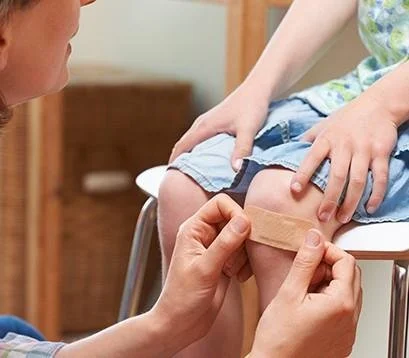
Physical Signs
Unexplained bruises, burns, or injuries
Injuries that don’t match the explanation given
Frequent or repeated injuries
Covering up excessively, even in warm weather
Flinching or appearing fearful of physical contact
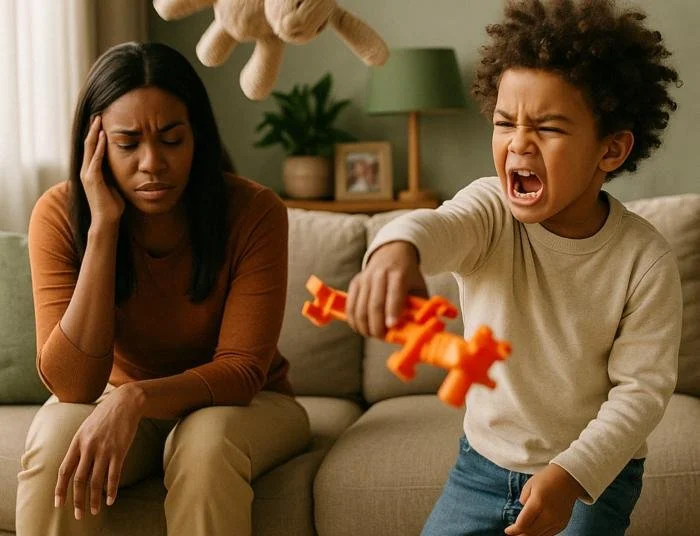
Behavioral Changes
Sudden withdrawal from friends or activities
Aggression, anxiety, or extreme fearfulness
Noticeable personality changes
Regression to younger behaviors
Avoidance of certain people or places

Emotional Warning Signs
Low self-esteem or feelings of worthlessness
Excessive guilt, shame, or fear
Depression or ongoing sadness
Reluctance to go home or be around certain individuals

Signs of Neglect
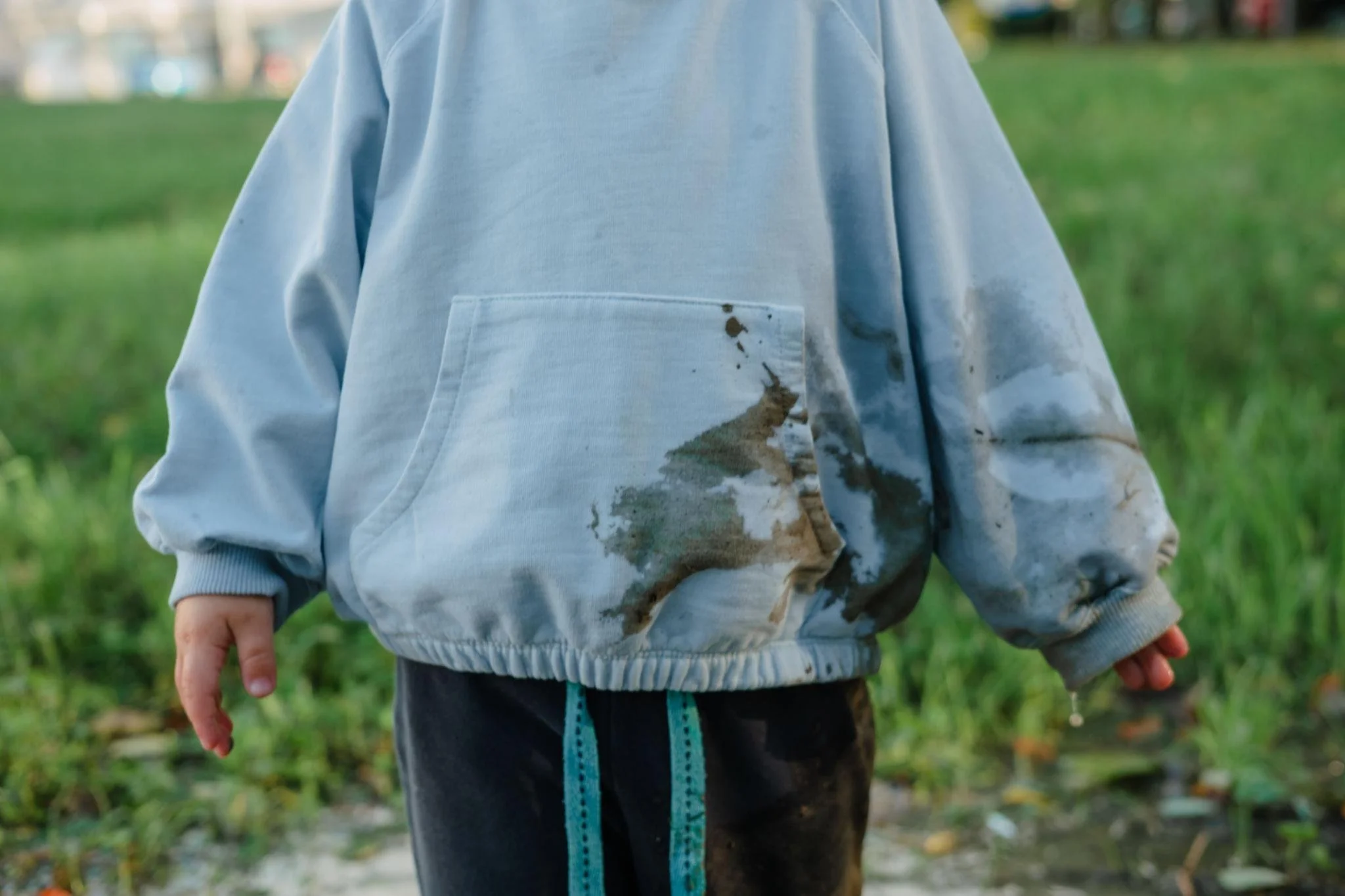
Lack of basic needs (food, clean clothing, hygiene)
Frequent hunger or hoarding food
Inadequate supervision
Clothing that doesn’t match the weather
Concerning Adult Behavior
Minimizing or dismissing a child’s injuries
Using extreme or inappropriate discipline
Speaking about the child in consistently negative ways
Isolating the child from others
Why This Matters: Prevention Starts With Awareness
At Children’s Law Center, we see firsthand what happens when children don’t have a voice, and how powerful it is when they do.
Many of the cases we handle involve patterns that could have been recognized earlier. When adults are equipped to notice the signs, they can help interrupt cycles of harm and connect families with support sooner.
Prevention isn’t about waiting until something severe happens. It’s about noticing the small signals and taking them seriously.
What To Do If You’re Concerned
You don’t need proof to act, concern is enough.
Trust your instincts if something feels off
Listen calmly and without judgment if a child opens up
Avoid asking leading questions - let them share in their own words
Report concerns to your local Department of Social Services
If a child is in immediate danger, call 911.
You can also contact the Childhelp National Child Abuse Hotline (call or text 800-4-A-CHILD) for guidance.
How You Can Be Part of Prevention
Every adult has a role to play in keeping children safe.
Learn the signs
Speak up when something doesn’t feel right
Support organizations working directly with children in crisis
At Children’s Law Center, your support helps ensure that children have an advocate, someone who listens, protects, and speaks up for their best interests.
Because when a child is seen, heard, and supported, we don’t just respond to harm, we help prevent it.